Fiberglass Pool Resurfacing: Benefits, Process & Cost (2025 Guide)
Why Fiberglass Re-Lining is the Best Long-Term Solution for Your Old Pool
What Exactly is Fiberglass Lining?
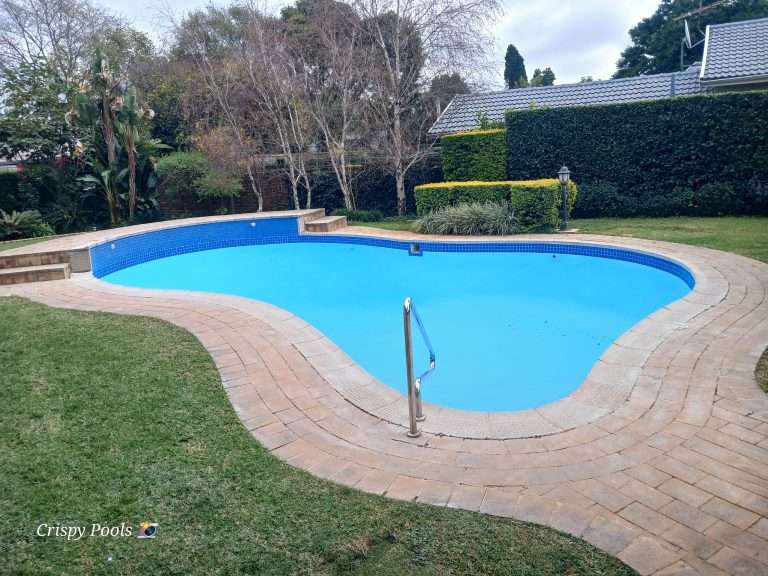
Fiberglass lining
Fiberglass lining is a versatile and incredibly effective method of waterproofing and protecting existing pool structures. It involves applying multiple layers of fiberglass matting saturated with resin, followed by a smooth, durable gelcoat finish. This creates a seamless, non-porous, and flexible barrier that is exceptionally durable against mechanical, chemical, and biological stress.
Top 7 Benefits of Fiberglass Re-Lining
- Superior Durability & Lifespan: Fiberglass is known for its strength and flexibility, resisting cracking and wear. A professionally maintained fiberglass lining can last between 15–25 years, often outlasting traditional marbelite.
- Sleek and Leak-Proof: The application creates a seamless, non-porous, and watertight barrier, ensuring your pool is protected from leaks and ground movement.
- Extremely Low Maintenance: The smooth, non-porous surface is highly resistant to algae and staining, meaning you spend less time scrubbing and require fewer chemicals.
- Saltwater Friendly: Fiberglass handles the effects of saltwater chlorination systems with ease, providing a luxurious, gentle swim experience without damaging the finish.
- Aesthetic Customization: Clients can choose an entirely new pool colour and integrate a wide range of mosaics directly into the lining, which cannot break or fall off.
- Fast Installation: The entire process is relatively quick, typically taking only 2–5 days, significantly minimizing the downtime of your pool.
- Cost-Effective Alternative: Fiberglass re-lining is often a far more affordable and faster solution compared to completely replacing an old pool structure.
⭐ Crispy Pools Unique Advantage: Water Storage Savings
Avoid hefty water penalties and conserve water! If your pool requires emptying for the re-lining or renovation, Crispy Pools owns its fleet of temporary water storage bladders. We safely empty your pool into our flexible, high-quality storage units and return the water upon project completion. This unique service eliminates third-party rental costs and passes significant savings directly to you.
How Much Does It Cost to Fiberglass Resurface a Pool?
- Pool Size and Depth: Larger pools require significantly more material and labor.
- Condition of the Surface: Extensive preparation, structural crack repairs, or osmosis treatment will increase labor costs.
- Material Selection: Using premium, UV-resistant gelcoats and resins ensures longevity but affects the price.
- Required Prep Work: The state of the current concrete or marbelite surface dictates the amount of sanding and patching needed.
Step-by-Step: The Fiberglass Resurfacing Process
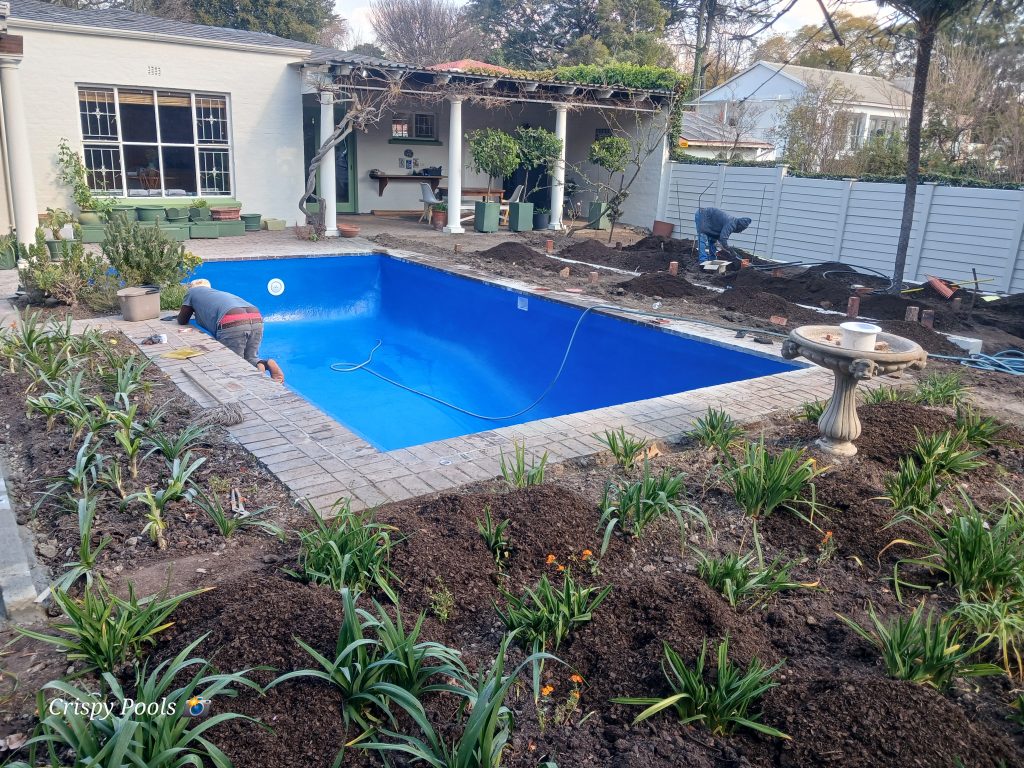
- Drainage and Assessment: The pool is drained, and a detailed assessment is conducted to identify all cracks, blisters, and structural issues.
- Surface Preparation: The old surface (whether marbelite, plaster, or old fiberglass) is removed, cleaned, and prepared. The surface must be clean, dry, and sound to ensure optimal adhesion.
- Structural Repair: Any damage, such as cracks or osmosis, is expertly repaired and sealed.
- Fiberglass Application: Layers of new fiberglass matting and resin are applied to the pool shell, creating a new, reinforced structure.
- Gelcoat Application: A high-quality, pliable gelcoat is applied over the fiberglass for a durable, smooth, and attractive finish.
- Curing and Refill: The new lining is allowed to cure (harden). Final accessories are reconnected, and the pool is refilled.